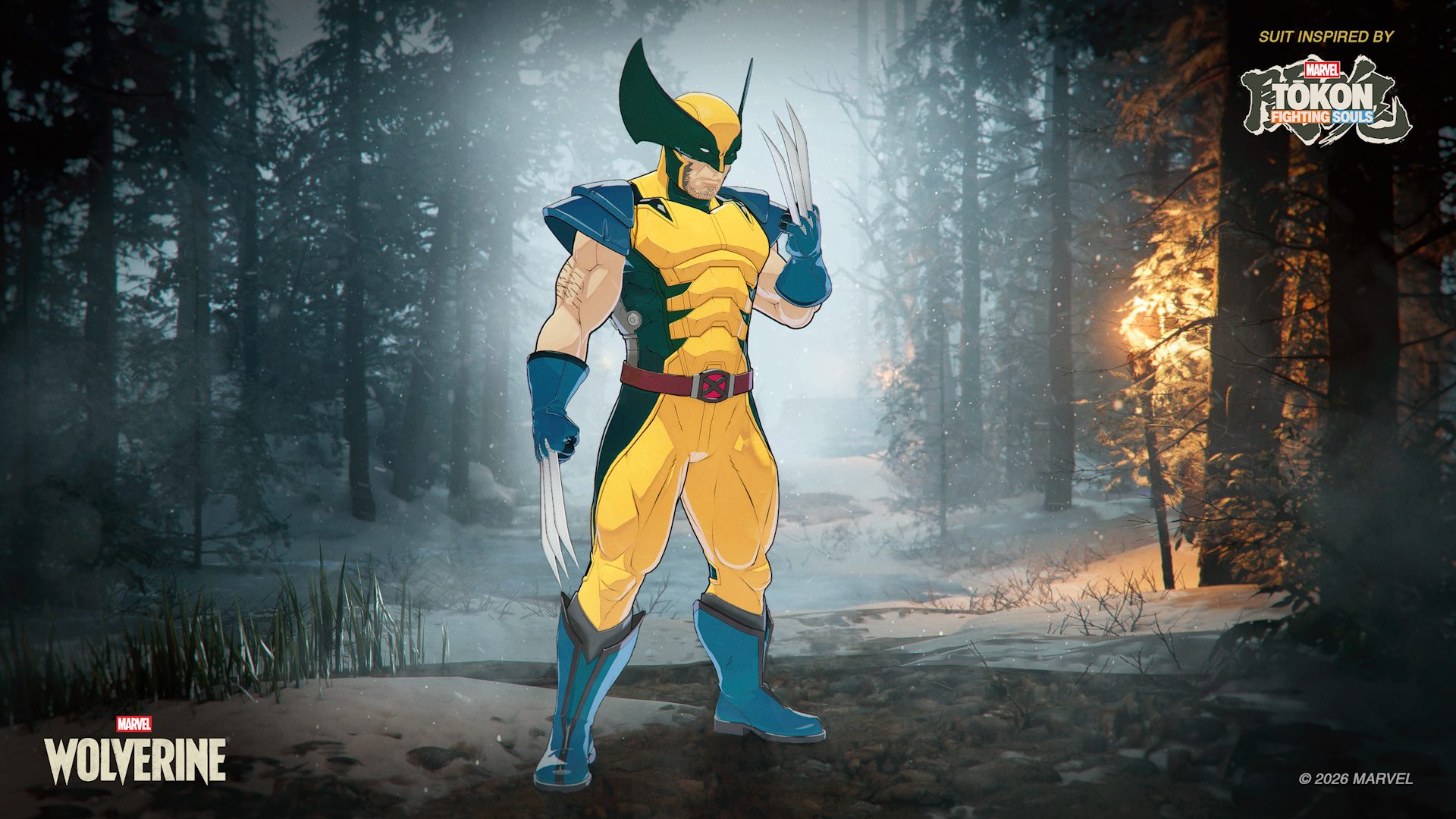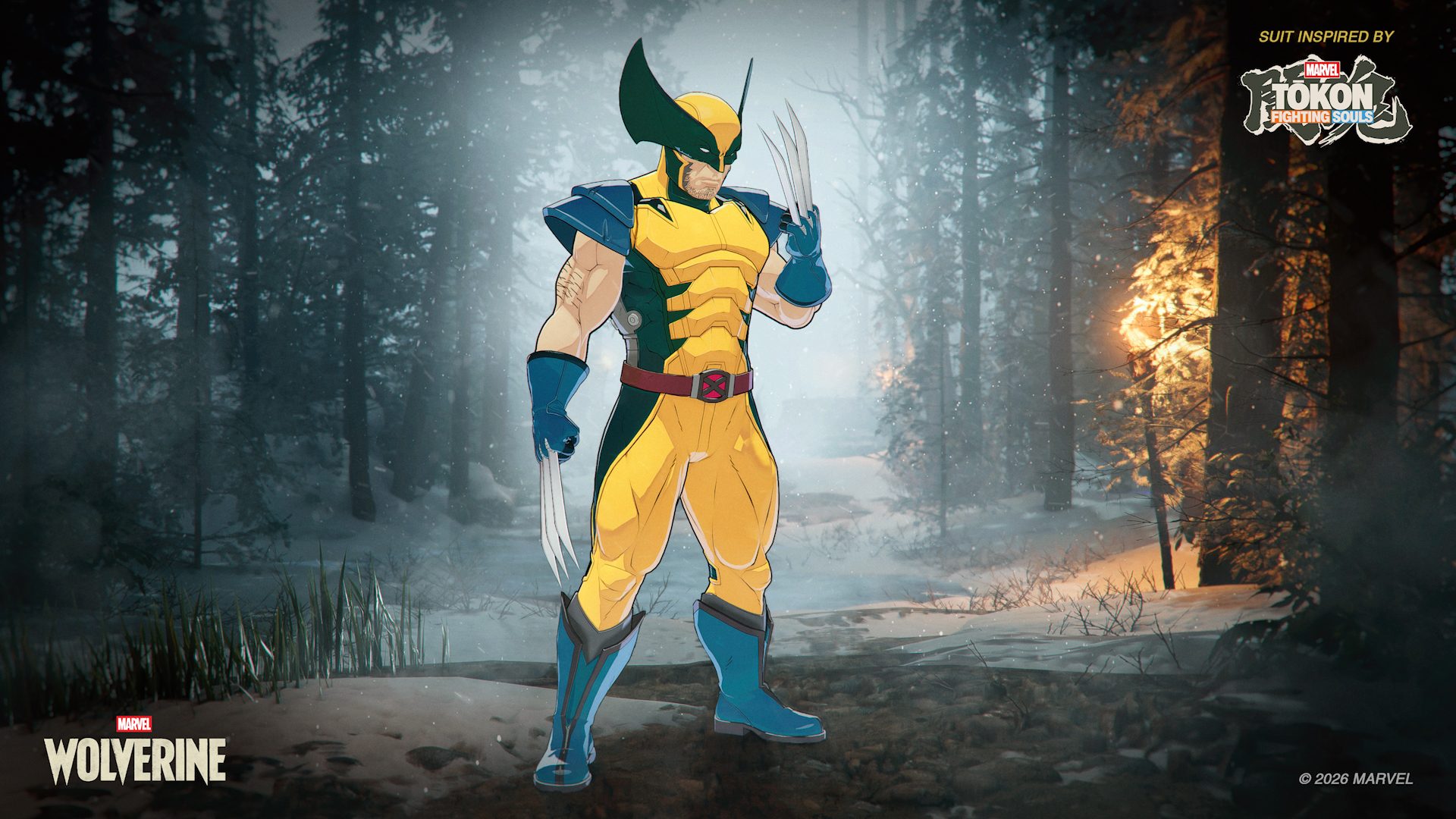
Before talking specs, one thing needs to be clear: Marvel's Wolverine launches September 15, 2026 as a PlayStation 5 exclusive (full details in our release date rundown), and Insomniac hasn't announced a PC version as of today. That's no surprise for a Sony first-party studio, but it's not a dead end either: both Marvel's Spider-Man Remastered and Ratchet & Clank: Rift Apart made it to PC one to two years after their console launch. Here's what you need to know right now on PS5, and what to expect the day a PC version shows up.
A PS5 Exclusive Launch, a PC Release Still Uncertain
Developed by Insomniac Games and pitched as a more focused, narrative-driven action-adventure than the Spider-Man games (more linear levels, less open world), Wolverine uses that tighter format to pour PS5 power into visual effects and heavy ray tracing rather than rendering a massive map. Until an official PC date exists, any hardware numbers floating around should be treated as an estimate, not a confirmed spec sheet.
PS5 Graphics Modes: What Insomniac Has Already Confirmed
The studio shared one notable detail: for the first time in one of its games, Performance Mode is the default mode on base PS5, and it runs at 60 FPS with ray tracing enabled. That's a technical feat Insomniac credits directly to the game's tighter scope, which frees up processing headroom for lighting effects.
- Base PS5, Performance Mode (default): 60 FPS, ray tracing on
- PS5 Pro: 4K at 60 FPS with ray tracing, via PlayStation Spectral Super Resolution 2.0 image reconstruction to keep the image sharp at high speed
In practice, on PS5 there's no painful trade-off between visual fidelity and smoothness like there could be in previous Insomniac titles: the default mode already checks both boxes. Still, keep an eye on the Display menu when the game launches, a Fidelity mode prioritizing native resolution might be offered as an option for players on 4K TVs without variable refresh rate.
What a Future PC Version Might Look Like
With no official spec sheet yet, the best reference point remains how Insomniac's previous PC ports have behaved, which gives a solid idea of what tier of hardware to expect:
| Game (PC port) | Rough minimum GPU | Rough minimum RAM |
|---|---|---|
| Marvel's Spider-Man Remastered | GTX 950 / RX 470 | 8 GB |
| Ratchet & Clank: Rift Apart | GTX 1060 / RX 580 | 16 GB |
A pure PS5-generation game like Wolverine, with ray tracing enabled by default, will likely land closer to Ratchet & Clank: Rift Apart's profile than to Spider-Man Remastered's (which was originally built for PS4). It's reasonable to expect, as a rough estimate:
- Minimum specs around an NVIDIA GeForce GTX 1060 / GTX 1660 or an AMD equivalent, 16 GB of RAM, and an SSD that's likely mandatory (as is already the case for Ratchet & Clank on PC, to handle texture streaming)
- Recommended specs built around a recent RTX-generation card to enjoy ray tracing without aggressive upscaling, plus DLSS/FSR/XeSS support as seen on other Insomniac ports
These numbers remain estimates based on comparable precedents, not confirmed specifications, and should be adjusted the moment Insomniac makes an official announcement.
Our Advice in the Meantime
If you're planning to play on PS5 at launch, there's nothing special to prepare for: leave Performance Mode as the default, it already offers the best balance of smoothness and visual quality without you having to lift a finger. If you're aiming for a future PC version instead, two things are worth doing now: make sure you have a spacious NVMe SSD (go big, Insomniac games routinely cross 60-80 GB), and if you're about to upgrade your graphics card, prioritize a model with strong hardware ray tracing support over one built purely for rasterization, since that's clearly the direction Insomniac's engine is heading.
Bottom Line
Marvel's Wolverine is a PS5 exclusive at launch, with a default Performance Mode that already holds 60 FPS and ray tracing without any trade-off on your end. A PC version isn't confirmed, but the studio's track record (Spider-Man Remastered, Ratchet & Clank: Rift Apart) suggests one could arrive within one to two years, likely built around ray tracing performance and a generous SSD requirement.