Verdict
A ferocious, well-acted action game that proves Insomniac can do brutal and intimate as well as it does open and heroic, but one that trades away agency and pacing variety for its linear structure, and never fully closes the gap it opens with itself.
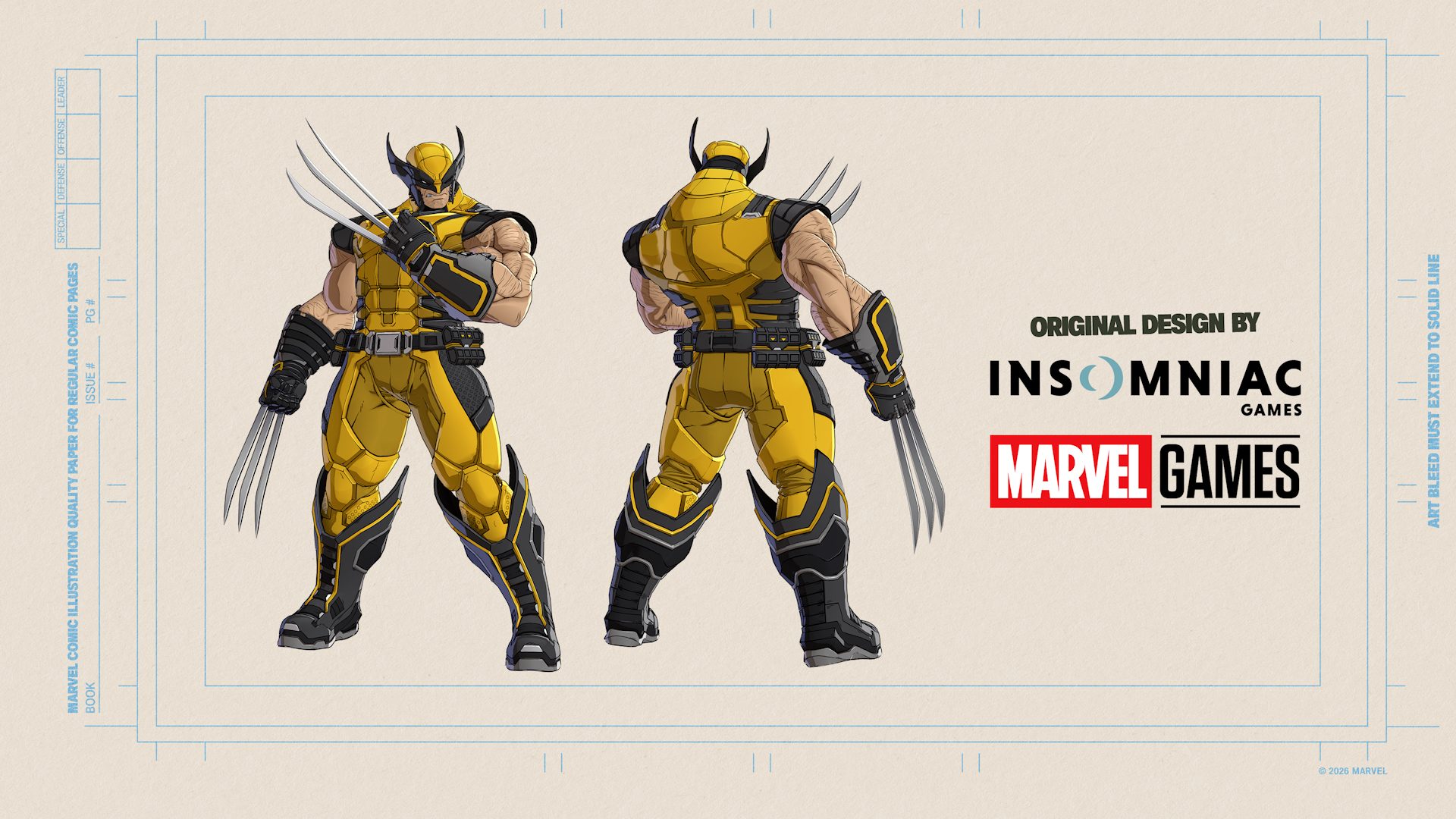
Insomniac Games has spent almost a decade building its reputation on New York City: skyscrapers to swing between, side content scattered across an open map, a superhero fantasy defined by scale. Marvel's Wolverine, out today, September 15, 2026, exclusively on PS5, throws that formula out. It replaces it with a linear, brutal, R-rated action-adventure built around a single man with metal claws and a healing factor that refuses to let him die easy. We spent our launch week with Logan to see whether the gamble pays off.
The essentials: a character study wearing a slasher's claws
The premise sets Marvel's Wolverine before the X-Men era most players know, when Logan is still a gun for hire with more scars than allegiances. The first act plays almost like a grounded revenge thriller, until a pivotal event closes it out and sends the story into stranger territory: Logan crosses paths with Team X, a black-ops mutant outfit that includes a young Mystique and a genuinely terrifying Sabretooth, in the sun-soaked, morally murky city-state of Madripoor. Their uneasy alliance against anti-mutant industrialist Bolivar Trask, who's built a prototype Sentinel to hunt mutants, gives the back half of the campaign real stakes and a much-needed jolt of energy after a slower opening stretch.
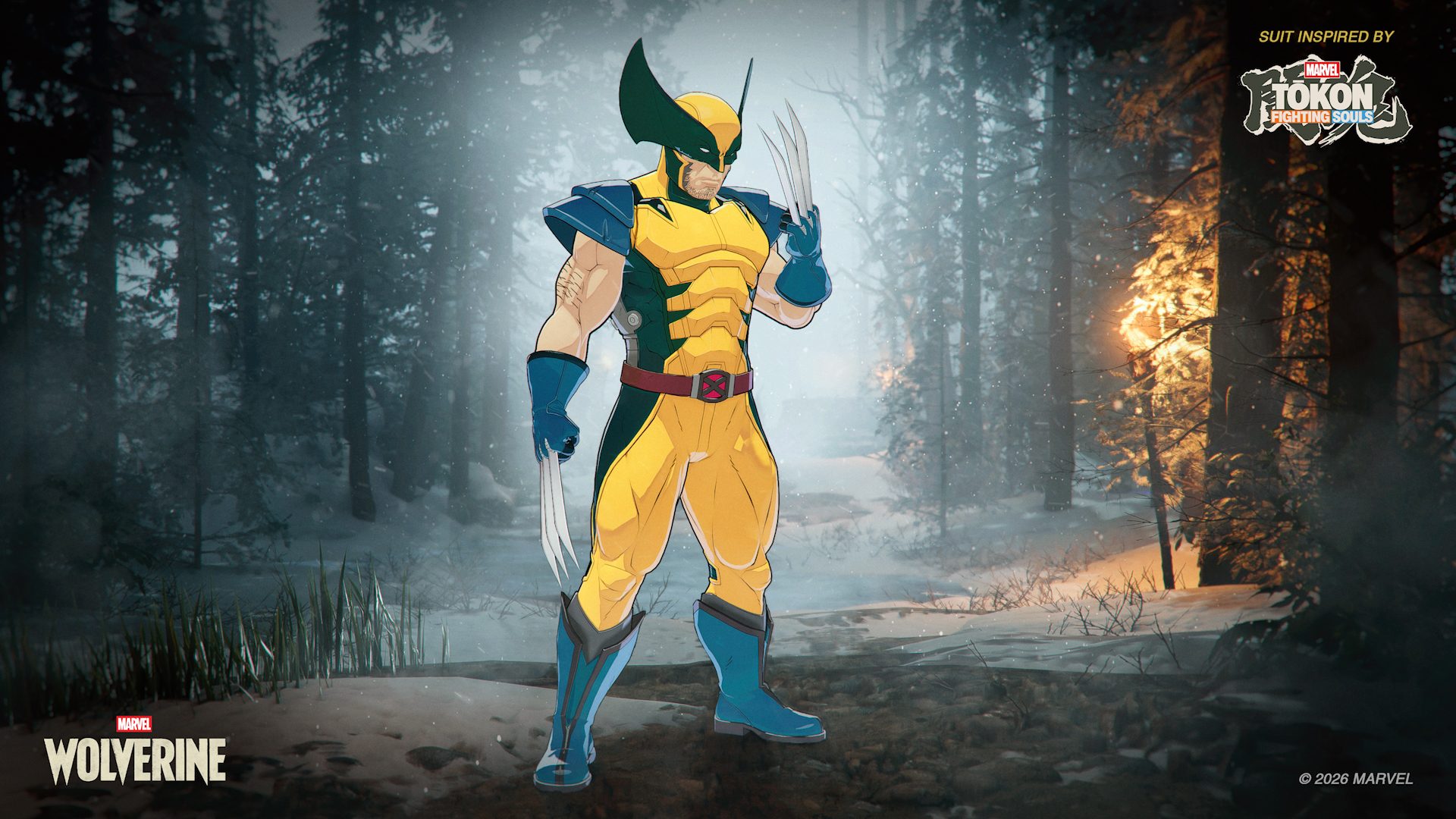
Combat is where Insomniac's ambition is most obvious. Logan doesn't have Spider-Man's acrobatic toolkit or Miles's elemental powers; instead you get raw, adamantium-driven brutality, claws that tear rather than slice cleanly, enemies dismembered with a crunch the PS5's haptics make you feel in your hands. The Rage meter, built on Wolverine's healing factor, is the smartest system here: spend it to yank yourself back from the brink mid-fight, and the game rewards reckless, aggressive play instead of cautious turtling. It's a combat identity distinct enough from Insomniac's Spider-Man games that it never feels like a reskin, and by the time Jean Grey, Mystique, and Sabretooth start folding into set-piece finishers against Trask's Sentinel, the spectacle lands.
The experience: Madripoor saves the back half
The first few hours ask for patience. Before the story reaches Madripoor, the pacing leans heavily on tight, scripted corridors that funnel you from combat arena to combat arena with little room to breathe or explore, a stark departure from the sprawling, player-directed rhythm of Spider-Man 2. Once Team X enters the picture, though, the game finds its footing: Mystique's shapeshifting adds welcome narrative unpredictability, Sabretooth makes for an unsettling co-star, and the uneasy alliance against Trask gives every mission a clearer emotional throughline than the opening act managed. The performances carry a lot of weight throughout, Logan's voice work in particular sells both the character's exhaustion and his fury, and Jean Grey's scenes land some of the campaign's best quiet moments.
Technically, the game holds up well on PS5: fluid combat animations, strong art direction for Madripoor's neon-and-decay aesthetic, and finishers that stay readable even at their goriest. Insomniac poured its production values into making every claw swing and healing-factor regeneration feel tactile, and on a pure moment-to-moment level, few action games this year hit as hard.
The limits: a linear game that sometimes forgets to vary the menu
The trade-off for that intensity is agency, and it's the recurring complaint across the board: level design here is almost entirely corridor-based, funneling players through set-piece after set-piece with few detours, secrets, or ways to approach an encounter differently. Where Spider-Man 2 let you choose your own path across Manhattan, Wolverine often chooses it for you, and the seams show most in the game's middle stretch, where combat encounters start repeating their rhythms before the Madripoor arc reinvigorates things. The story, while emotionally strong in its best scenes, occasionally settles for telling players what a character feels rather than dramatizing it, and some secondary threads get resolved a little too neatly for a narrative that wants to be taken as seriously as it clearly does. It's not a broken game by any measure, but it is a more conservative one than Insomniac's recent output, and the linearity limits how much replay value or exploration incentive the campaign offers once the credits roll.
Who is it for?
If you came to Marvel's Wolverine hoping for Spider-Man's open-world freedom with a different hero skin, adjust your expectations: this is a tighter, more intimate, more violent kind of game, closer in spirit to a character-driven action film than a city-spanning superhero sandbox. For players who want Logan played exactly as brutal and vulnerable as the comics have long promised, backed by strong writing once Madripoor kicks in and combat that rewards aggression, there's a lot to like here. For anyone whose main draw to Insomniac's superhero games is exploration and player-driven pacing, the corridor structure will likely wear thin well before the credits, especially through the slower first act.
Score: 7.2/10. Marvel's Wolverine succeeds as a combat showcase and, once it reaches Madripoor, as a gripping character study anchored by strong performances. But its linear, corridor-driven structure and uneven pacing keep it from matching the heights of Insomniac's Spider-Man games, a deliberate stylistic choice that pays off in intensity but costs the game some of the variety and freedom that made the studio's reputation in the first place.
Pros
- Visceral, weighty melee combat built around Logan's healing factor
- Strong performances, Logan and Jean Grey in particular
- Bold structural gamble: no open world, a focused character study
- Madripoor arc raises the stakes with Team X, Mystique and Sabretooth
Cons
- Very linear, corridor-heavy level design that limits exploration
- Uneven pacing, with slower chapters dragging between big set pieces
- Storytelling sometimes tells more than it shows, thinner writing in the middle stretch