Every GPU generation brings the same flood of comparison charts and conflicting advice, and 2026 is no exception. NVIDIA's Blackwell-based RTX 5000 series and AMD's RDNA 4 Radeon RX 9000 series are both mature at this point, prices have shifted since launch, and the "best" card genuinely depends on what you play and how much VRAM headroom you're willing to pay for. We went through the current lineup, cross-checked pricing against what cards are actually selling for right now (not just MSRP), and put together a straightforward guide by budget. No filler, just what to buy.
NVIDIA or AMD: the question to ask yourself first
Before you even look at a specific model, figure out which side of the fence you're on, because it changes every recommendation below.
Go NVIDIA RTX 5000 if ray tracing matters to you, if you rely on AI-accelerated creative tools (Stable Diffusion, video upscaling, that kind of thing), or if you want DLSS 4 and its Multi Frame Generation in the growing list of titles that support it. NVIDIA's software stack is still the more polished, more widely adopted option, and it shows in anything ray-traced.
Go AMD RX 9000 if you mostly play rasterized titles rather than ray-traced showcases, which honestly covers most competitive shooters (Counter-Strike 2, Valorant) and a big chunk of the mid-budget catalog. AMD's RDNA 4 cards consistently ship with more VRAM per dollar than their NVIDIA counterparts, and that extra memory buys you real longevity, not just bragging rights.
Neither answer is wrong. It's a genuine trade-off between raw rasterization value and feature-set polish.
Picking by budget
Here's how the lineup shakes out once you sort it by what you're actually willing to spend.
| Budget tier | Pick | VRAM | Approx. price | Best for |
|---|---|---|---|---|
| Entry ($350-450) | AMD Radeon RX 9060 XT 16GB | 16GB GDDR6 | ~$430-460 | 1080p/1440p without VRAM anxiety |
| Entry, NVIDIA side | RTX 5060 | 8GB GDDR7 | ~$350-370 | Solid 1080p, weaker long-term VRAM buffer |
| Mid-range | RTX 5070 | 12GB GDDR7 | ~$550-600 (street) | Best all-round feature set at this tier |
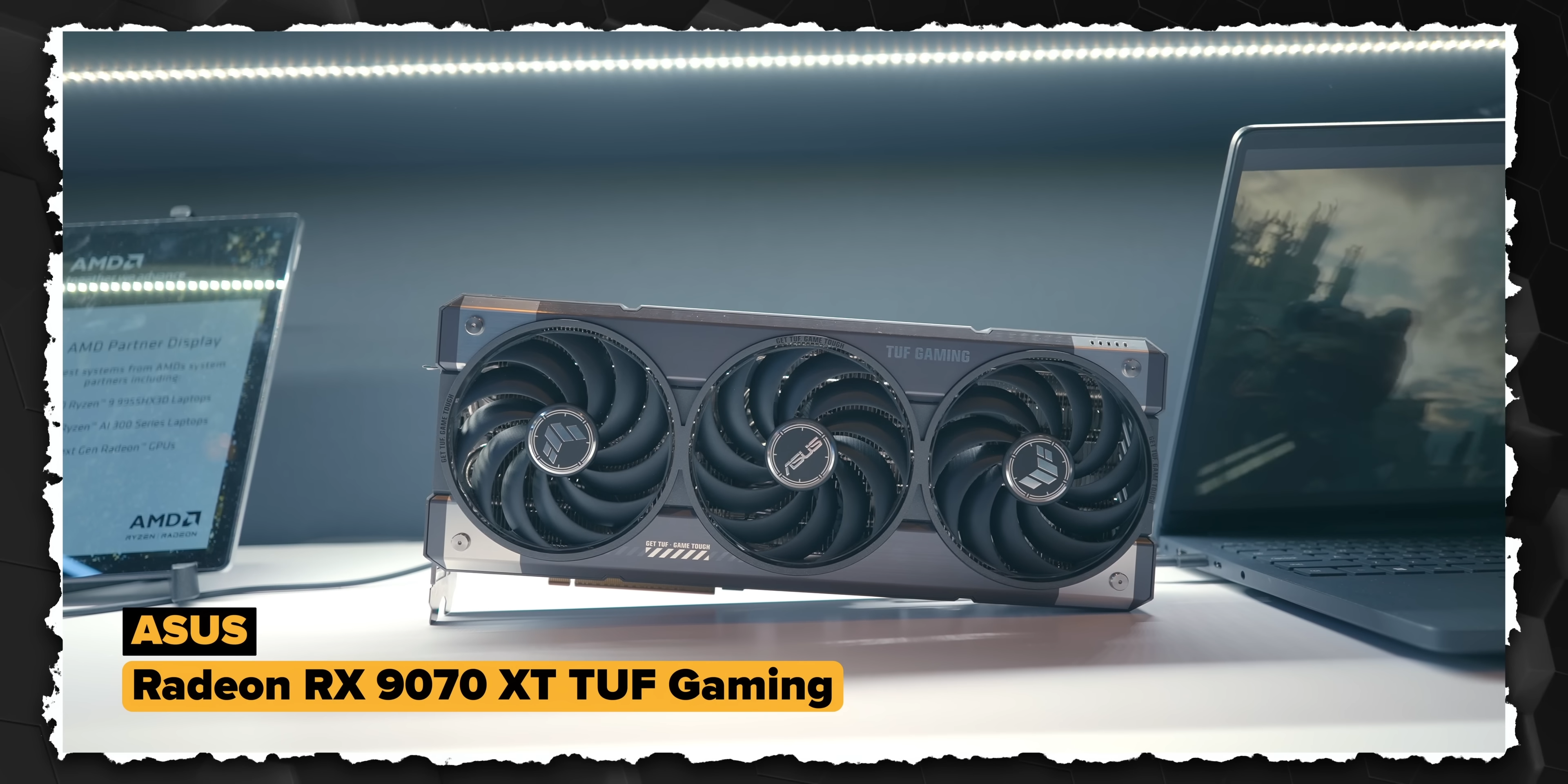
| Mid-range | RX 9070 XT | 16GB GDDR6 | ~$600-730 (street) | Best raw 1440p rasterization value |
| High-end | RTX 5070 Ti | 16GB GDDR7 | ~$750-1,100 (street) | Best price-to-performance in the RTX lineup |
| Enthusiast | RTX 5080 | 16GB GDDR7 | ~$1,000 | 4K gaming without going overboard |
| Ultra-enthusiast | RTX 5090 | 32GB GDDR7 | ~$2,000 | Overkill for gaming, built for 3D/AI workloads |
A couple of honest notes on that table. Official MSRP and what you'll actually pay at checkout are two different things right now: the RX 9060 XT launched as a budget darling but has crept up toward the $450-460 mark as demand stayed high, which dents its "steal" reputation a bit. Meanwhile the RTX 5070 vs. RX 9070 XT matchup is genuinely close on street pricing, and which one wins for you comes back to the NVIDIA-vs-AMD question above: pay a bit more for DLSS 4 and stronger ray tracing, or get more VRAM and stronger pure rasterization for the same money.
On the very top end, the RTX 5090 isn't really a gaming card anymore in the traditional sense. Unless you're doing serious 8K work, 3D rendering, or AI training on the side, that budget is far better spent on an RTX 5070 Ti plus a better monitor.
The one rule that actually matters: don't skimp on VRAM
If there's a single lesson hardware reviewers keep repeating this year, it's this one: anything under 8GB of VRAM is no longer a safe recommendation, even for 1080p gaming. Modern texture packs and upscaling buffers eat memory fast, and an 8GB card that felt fine on release day starts stuttering within a couple of years. For 1440p, treat 12GB as the realistic floor, not the ceiling.
The practical takeaway: when you're choosing between two versions of the same card that differ mainly by VRAM, pay the extra for the bigger one. The price gap always looks steep in the moment, but it's the difference between a card that ages gracefully and one you're replacing prematurely.
Should you even upgrade?
If you're sitting on an RTX 4000-series or RX 7000-series card, there's genuinely no rush. Those cards are still performing well and will keep doing so for a few more years without embarrassing themselves. Where the upgrade case gets strong is if you're coming from anything older than the RTX 30 series or RX 6000 series: that jump delivers a night-and-day performance difference and is worth budgeting for.
Which card should you actually buy
There's no universal "best" GPU in 2026, only the best one for your specific budget, resolution, and how much ray tracing and DLSS actually matter to you. If you want the short version: mid-budget shoppers should cross-shop the RTX 5070 against the RX 9070 XT, value hunters at the high end should be eyeing the RTX 5070 Ti, and everyone, no matter the tier, should refuse to buy an 8GB card at this point.