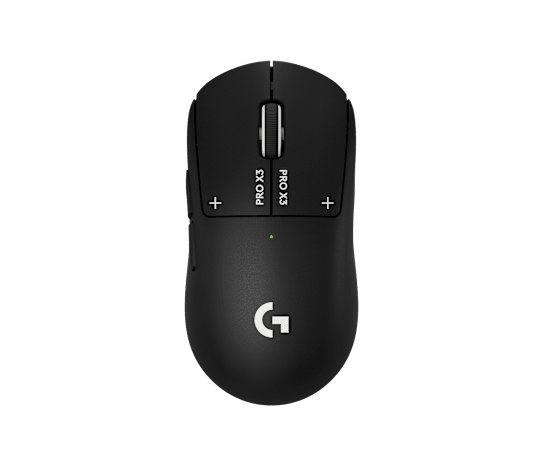
Logitech G PLAY 2026 ran on September 23 with live events in Los Angeles/Venice, Warsaw and Shanghai, and the brand used it to drop fifteen new products in one shot. Logitech rebuilt its entire PRO line, the peripherals it's been co-designing with professional esports players for ten years, from the sensor up. If you're running a PRO X2 mouse or an older Lightspeed headset and wondering whether this generation is a real upgrade or a marketing refresh, this breaks down what changed and what didn't.
The three products that actually matter
Of the fifteen announcements, three are the ones worth your money if you're shopping for competitive-grade gear. A fourth, the PRO X CONTROL mousepad, rounds out the line but isn't a standalone reason to buy in. Logitech also refreshed its Yeti microphone (Yeti 2), which is a solid streaming accessory but out of scope for a gaming-setup guide.
| Product | Type | Key spec | Price | Availability |
|---|---|---|---|---|
| PRO X3 SUPERSTRIKE | Wired/wireless mouse | HITS haptic trigger system, 59g, HERO 2 sensor (44,000 DPI), 8,000Hz polling, 135+ hrs battery | $199.99 / €179.99 | October 6, 2026 |
| PRO X2 RAPID | Wired keyboard (TKL) | Hall-effect switches, adjustable actuation, Key Priority, onboard OLED | $229.99 / £209.99 | September 23, 2026 (out now) |
| PRO X3 LIGHTSPEED | Wireless headset | 50mm Pro-G graphene drivers, 48kHz boom mic, up to 70 hrs battery | $249.99 / £229.99 | October 8, 2026 |
The mouse is the centerpiece. HITS (Haptic Inductive Trigger System) swaps the fixed micro-switch click for 10 actuation-force levels and 5 rapid-trigger reset settings you can tune yourself. The shell and general silhouette are unchanged from the X2, so if that shape didn't work for your grip before, it won't work now either.
What changed versus the X2 generation, concretely
A lot of "new PRO line" coverage stays vague. Four things changed here in ways you can measure, not just rebrand:
- Trigger feel is now tunable. The PRO X2's click was a single mechanical actuation point. HITS on the X3 SUPERSTRIKE lets you dial in how much force it takes to register a click and how quickly it resets. For competitive players chasing consistent counter-strafing or rapid-fire inputs, that's the biggest functional jump in the lineup.
- Weight dropped and battery efficiency went up. 59g is light for a mouse with this feature set, and Logitech is claiming roughly 50% better power efficiency on the new chipset versus the X2, which translates to 135+ hours of quoted battery life. If your X2 was dying mid-session, this generation fixes that.
- The keyboard's actuation lives in software now. Hall-effect magnetic switches with adjustable actuation and the new "Key Priority" function (which resolves which key registers first when two are pressed near-simultaneously) put the PRO X2 RAPID in the same conversation as dedicated analog-input boards, rather than a standard mechanical TKL with RGB.
- Headset battery life jumped by 20 hours. Going from roughly 50 to 70 hours on the Lightspeed line is a real quality-of-life change for anyone who forgets to charge gear between LAN sessions or long queue nights.
None of this reinvents the category. It closes the gap between Logitech's PRO gear and the analog-input, adjustable-actuation peripherals competitors have sold as their headline feature for a couple of years now.
Who should actually buy in, and who should skip it
The PRO X2 RAPID's Hall-effect switches and adjustable actuation put it up against the SteelSeries Apex Pro TKL, still the reference point for magnetic-switch keyboards in 2026. Logitech's Key Priority feature is a genuine differentiator for competitive shooter players managing overlapping inputs, but if you already own an Apex Pro TKL and it's working, there's no functional reason to switch. You'd be paying for the same category of tech twice.
The PRO X3 LIGHTSPEED headset is a tougher sell against the Arctis Nova Pro Wireless, which remains the premium benchmark on audio quality and ecosystem features (hot-swap base station, ANC). The Logitech headset's 70-hour battery is genuinely better for endurance, but if you value premium audio processing and multi-device swapping over raw battery life, the Nova Pro still wins that comparison.
The PRO X3 SUPERSTRIKE is the easiest recommendation of the three, for players who already play at a level where trigger consistency matters: competitive FPS players, rhythm-adjacent titles, anything where input timing is scored. If you're a casual or mid-tier player who plays a mixed library of genres, the tunable trigger system is overkill you won't notice, and your money is better spent on a cheaper mouse with a shape you actually like.
Bottom line: this is an esports-first refresh, co-designed with pro players and priced accordingly ($199-$250 per item). It's a targeted release for players who already know their actuation settings matter and were waiting for Logitech to catch up on adjustable-input hardware. If that's not your profile, the PRO X2 generation you already own, or a cheaper Hall-effect board, will serve you just as well.